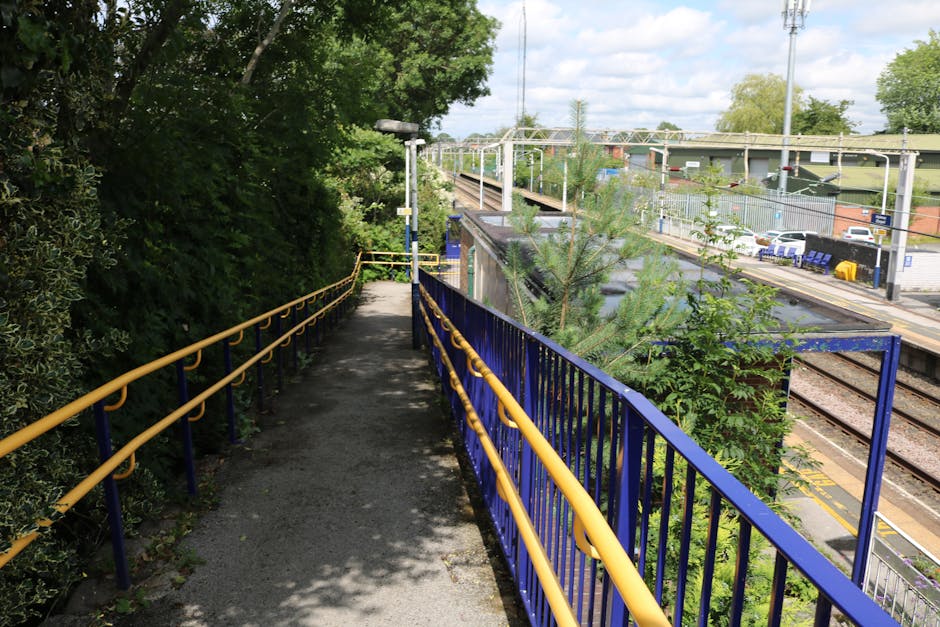
Elmstead Wood to Chislehurst Station Garden Access for Gardeners: a Practical Local Guide
If you garden around Elmstead Wood and need to reach Chislehurst station, the journey matters more than people sometimes realise. It is not just a walk between two points. For gardeners carrying tools, plants, compost bags, or a damp pair of gloves on a grey morning, the route affects timing, fatigue, and even what jobs make sense to take on in the first place. This guide to Elmstead Wood to Chislehurst station garden access for gardeners looks at the route in practical terms: how it works, why it matters, who it suits, and what to watch out for when planning everyday garden work around it.
You will also find a simple step-by-step approach, a few honest best practices from real-world garden work, and a checklist you can actually use. No fluff. Just the kind of detail that saves time on site and helps the day run smoothly.
Why Elmstead Wood to Chislehurst station garden access for gardeners Matters
For gardeners, access is not an abstract topic. It decides whether a job starts on time, whether heavy materials can be moved without a scramble, and whether the workday feels controlled or messy by 10 a.m. The Elmstead Wood to Chislehurst station corridor is especially relevant because station access often shapes how gardeners and garden maintenance teams move through the local area.
If you are working in nearby streets, allotments, or private gardens, the route can influence everything from arrival time to the amount of kit you can reasonably carry. That may sound obvious, but in practice it changes the whole rhythm of a job. A quick hedge trim is one thing. A full day of pruning, clearance, and lawn care is another.
It also matters for clients. People want to know the team is punctual, prepared, and not arriving flustered with tools hanging off every shoulder. Fair enough too. A tidy arrival tends to lead to a tidier job. And when a gardener has a clear route from Elmstead Wood towards Chislehurst station, the day usually starts with less stress and fewer surprises.
For local firms, route planning is part of service quality. It supports reliable scheduling, better fuel and labour planning, and fewer delays. That is one reason many gardeners prefer to think about access before they think about cutting, planting, or clearance work. The route comes first. The job follows.
If you are comparing services, it can also help to look beyond the journey itself and consider the broader support a company offers. Pages such as services overview, garden maintenance, and garden clearance give a clearer sense of what can be handled once the team is on site.
How Elmstead Wood to Chislehurst station garden access for gardeners Works
At a practical level, this route is about connecting a residential and green, tree-lined part of the area with a rail hub that supports local movement. Gardeners may use it in different ways: walking to meet a client, reaching a property before a job, moving between appointments, or planning access for vehicles and tools near the station area.
The important point is not whether the route is scenic, though it often is in that quiet London-suburban way with mature trees and the occasional burst of garden colour behind low fences. The key issue is whether the access works for the kind of work being done.
For example:
- Small maintenance visits may only require a hand tool bag and a secure route for walking.
- Hedge trimming or pruning often means more gear, cuttings, and a need for a sensible drop-off point.
- Garden clearance usually needs the easiest possible access because waste, bulky material, and loading time all add up.
- Landscape jobs can involve materials, deliveries, and multiple trips, which is where route planning becomes much more than a convenience.
In day-to-day terms, a gardener will usually think through three things before heading out: how to get there, where to park or unload, and how to move tools safely once on site. That is the real mechanism behind "garden access" here. Not a single route map. A chain of decisions that keeps the job smooth.
There is also a trust element. A business that pays attention to local access details often shows the same attention in its work. If you value that kind of careful planning, it is worth reading about the team behind the service on the about us page, plus practical details like pricing and quotes.
Key Benefits and Practical Advantages
When Elmstead Wood to Chislehurst station access is planned properly, gardeners and property owners usually see benefits straight away. Some are obvious. Some only become obvious after a few jobs go wrong and suddenly you appreciate a route that works.
- Better punctuality: a clear route reduces the chance of late arrivals and last-minute calls.
- Less physical strain: gardeners can avoid carrying awkward loads farther than necessary.
- Safer movement: fewer rushed crossings, fewer awkward lifts, fewer "I'll just carry this one more bag" moments that go sideways.
- Smarter job planning: access helps determine whether a task can be done in one visit or needs staged work.
- Cleaner finishes: if waste removal is simple, the site usually ends the day in better shape.
- More realistic quotes: access issues affect time and effort, so good planning gives more accurate pricing.
There is another subtle benefit: confidence. When a gardener knows the route, knows the access point, and understands the site conditions, they work with more focus. That shows in the final result. Truth be told, people notice when a team seems calm and organised, even if they cannot quite say why.
This is one reason local services like lawn mowing, hedge trimming, and landscape gardening tend to work best when access has been thought through beforehand rather than left to chance.
Who This Is For and When It Makes Sense
This topic matters to more people than you might think. It is not just for big landscape crews with vans and two sets of ladders. Smaller gardeners, independent contractors, landlords, and homeowners can all benefit from understanding the access between Elmstead Wood and Chislehurst station.
It makes particular sense if you are:
- a gardener travelling on foot or by public transport between jobs;
- arranging a visit for seasonal garden work;
- booking clearance or maintenance near the station area;
- co-ordinating delivery or collection of tools and waste;
- working in a garden with limited side access, narrow paths, or shared entrances;
- trying to compare local garden service options before committing.
It also matters when a job looks simple but hides access problems. A front garden can be easy. The back garden might be reached only by a tight side path with a gate that sticks. A few extra minutes there, and suddenly the whole job needs a different plan. Happens all the time.
If you are a client, the signal to pay attention is usually this: the more materials, waste, or equipment involved, the more access matters. For light touch-ups, it may be a small issue. For bigger jobs, it becomes central.
Gardeners who value safe working practices will also tend to be transparent about access constraints. You can often get a better sense of that from the company's health and safety policy and insurance and safety information.
Step-by-Step Guidance
Here is a practical way to plan garden access from Elmstead Wood towards Chislehurst station without overcomplicating it. Keep it simple, but not sloppy.
- Define the job first. Is it mowing, pruning, clearance, planting, or a mixed visit? The job type changes what access is needed.
- Check the starting point and end point. Note the garden entrance, storage space, and whether any waste needs to leave the site immediately.
- Think about load size. A small tool bag is one thing. Brash, bags of clippings, edging material, or decking components are another.
- Decide the safest approach. Can the work be walked in, or does it need a vehicle drop-off? There is no prize for over-carrying.
- Allow a bit of slack in the schedule. Even a good route can be slowed by weather, school traffic, or a narrow access point.
- Confirm disposal and recycling arrangements. If a job creates waste, know how it will be handled before the first cut is made.
- Review the site after the first visit. If access was tighter than expected, adjust the plan for next time.
That final step is underrated. After one real visit, the route becomes much easier to assess. The first job is often the learning job, and that is fine. A good gardener does not pretend every site is the same. They adapt. Quietly, usually while carrying something heavier than they'd like.
For more structured jobs, it helps to pair access planning with the actual service scope. For example, a client might combine garden maintenance with selective tree lopping and removal or a small amount of landscaping. Those combinations often need better access planning than people expect.
Expert Tips for Better Results
Here are the little things that make a big difference. Not glamorous, but useful.
- Use the lightest viable kit first. If a hand tool does the job, do not drag bigger equipment around for no reason.
- Load in layers. Keep the most-used tools easiest to reach so you are not rummaging around mid-job.
- Separate clean and dirty materials. Soil, cuttings, and general tools should not all end up in one messy pile.
- Plan for the return journey. A route that feels fine on the way in can be a nuisance on the way back with waste bags.
- Watch for bottlenecks. Narrow gates, wet steps, low branches, and uneven paving can slow you more than the distance itself.
- Keep communication brief and clear. If you need a gate unlocked or a drop-off point changed, say it early and plainly.
One practical trick: if you know a garden job will involve more cuttings than expected, bring the waste plan into the conversation before arrival. It saves that awkward ten-minute stare at a pile of greenery, wondering how it all seemed so manageable on paper.
Also, for jobs with larger outdoor improvements, services like decking services and landscape gardening benefit from a site walk-through more than most people think. The route and the access point shape material handling, finishing quality, and the overall job timeline.
Common Mistakes to Avoid
Most access problems are preventable. The trouble is, they are easy to miss when everyone is focused on the actual gardening. A few of the usual mistakes keep cropping up.
- Assuming the shortest route is the best route. Sometimes a slightly longer path is safer, easier, and less exhausting.
- Underestimating waste volume. Hedge trimmings, grass cuttings, and mixed clearance waste all take up more room than you first imagine.
- Ignoring weather impact. Wet surfaces and muddy edges make access slower and riskier.
- Not checking gate width or step height. Simple details can stop a barrow, trolley, or larger item dead in its tracks.
- Failing to match the job to the route. Not every garden task suits the same access plan.
- Leaving safety decisions to the last minute. That is how small delays become bigger ones.
Another easy mistake is to treat access as somebody else's problem. It is not. It is part of the job. Once you see it that way, planning becomes much easier, and the results usually improve too.
And yes, sometimes the issue is just human forgetfulness. We have all had that moment of "I know I checked this" followed by the discovery that the side gate sticks only after the first load is already in your hands. Not ideal.
Tools, Resources and Recommendations
You do not need a huge toolkit to manage garden access well, but the right basics can make a genuine difference. Think in terms of movement, carrying, protection, and waste handling.
| Tool or Resource | Best Use | Why It Helps |
|---|---|---|
| Sturdy tool bag or carrier | Small maintenance visits | Keeps essentials together and reduces repeated trips |
| Wheelbarrow or trolley | Cuttings, soil, and light materials | Protects backs and speeds up movement on suitable surfaces |
| Gloves and protective footwear | General garden work | Supports safety on uneven or damp ground |
| Waste sacks and collection plan | Clearance and pruning jobs | Prevents messy site build-up and wasted time |
| Site notes or photos | Before repeat visits | Helps remember narrow points, gate issues, and storage space |
For customers trying to choose a provider, it can also help to review broader company information. A clear about us page, transparent pricing and quotes, and practical notes on recycling and sustainability often tell you more than a glossy homepage ever could.
And if you are comparing a few options, a full services overview is a sensible place to start. It gives you the bigger picture before you commit to a particular job scope.
Law, Compliance, Standards, or Best Practice
For local garden access, the main thing is to follow sensible UK best practice rather than overstate legal complexity. In everyday terms, that means working safely, avoiding obstruction, managing waste responsibly, and respecting neighbours and property boundaries. You do not need drama. You need care.
Gardeners and customers should pay attention to a few practical standards:
- Safe manual handling: do not overload yourself or force awkward carries through tight access.
- Reasonable site safety: keep paths clear where possible, especially when tools or cuttings are being moved.
- Responsible waste handling: garden waste should be dealt with in a way that fits the job and the service arrangement.
- Property care: protect gates, paving, fences, and planting beds when moving equipment.
- Clear agreements: confirm scope, access expectations, and any limitations before work begins.
Insurance and documented safety practices matter because garden work can involve slips, trips, sharp tools, and moving materials. That is why a responsible business should be able to explain its approach in straightforward language. If you want a better sense of that, check the company's insurance and safety information and health and safety policy.
There is also a customer-side best practice: be honest about access issues. A narrow side passage, locked gate, steep step, or shared entrance is not a problem by itself. It only becomes a problem when nobody mentions it until the van is already outside. Better to say it early. Simple as that.
Options, Methods, or Comparison Table
There are a few ways gardeners can approach access between Elmstead Wood and Chislehurst station, and the right option depends on the job. Here is a straightforward comparison.
| Method | Best For | Strengths | Limitations |
|---|---|---|---|
| Walking with hand tools | Light maintenance and small visits | Flexible, low-cost, easy to manage | Not suitable for bulky materials or waste |
| Van access with drop-off nearby | Medium jobs and regular service routes | Good balance between mobility and capacity | Needs parking awareness and timing |
| Vehicle-based clearance plan | Large clearance or heavy work | Efficient for waste and materials | Most dependent on suitable access and load management |
| Staged visits | Landscaping or larger projects | Reduces pressure on one day and allows better sequencing | Takes longer overall |
In practice, many local jobs use a mix of these methods. A gardener may walk in first for assessment, return with the right equipment, then organise waste on a separate trip. That staged approach often works well for jobs that include garden clearance or heavier tree lopping and removal.
So which method is best? The honest answer is: the one that keeps the work safe, efficient, and proportionate to the task. Not fancy. Just right.
Case Study or Real-World Example
Here is a realistic example from the kind of work gardeners see all the time. A client near Chislehurst station needed a spring tidy-up after a wet winter. The job looked straightforward: lawn edging, shrub shaping, light clearance, and a bit of plant reshaping around a narrow rear path.
On arrival, the route from the front to the back garden turned out to be tighter than expected. Nothing dramatic, but enough to make wheeled access awkward. Rather than forcing larger equipment through the space, the gardener adjusted the plan. Smaller tools were used first. Waste was gathered in lighter loads. The heaviest cuttings were collected last, once the main work area was already tidy.
The result? Less damage risk, fewer trips through the house, and a clean finish without the usual mid-job chaos. The client appreciated that the approach was calm and practical. To be fair, that is what most people want. They do not need a performance. They need a garden that looks cared for.
That same approach works well for mixed jobs involving lawn mowing, hedge trimming, or ongoing garden maintenance. Access planning makes the difference between a smooth visit and a frustrating one.
Practical Checklist
Use this quick checklist before any garden job involving Elmstead Wood to Chislehurst station access. It is simple, but it saves hassle.
- Confirm the exact job type and expected waste volume.
- Check the easiest safe route in and out.
- Note any narrow gates, steps, or uneven paving.
- Decide whether tools can be carried by hand or need wheeled transport.
- Plan where cuttings, soil, or materials will be placed during the job.
- Make sure the schedule allows for weather or access delays.
- Confirm who opens gates, unlocks access, or provides keys if needed.
- Ask whether waste removal or recycling is included.
- Review health and safety expectations before work begins.
- Take a quick note for the next visit if the access is tricky.
Expert summary: the best garden access is usually the least dramatic one. Clear, safe, and just flexible enough to handle real-world messiness. That is the sweet spot.
Get a free quote today and see how much you can save.
Conclusion
Elmstead Wood to Chislehurst station garden access for gardeners is really about making local work practical. When access is thought through, the whole job becomes easier to manage: tools move more safely, time is used better, and the finished garden tends to look sharper. When access is ignored, even small tasks can become oddly tiring and expensive in time.
For gardeners, the lesson is simple. Know the route. Know the site. Match the method to the job. For clients, the takeaway is just as straightforward: the more honest you are about access, the better the service is likely to be. And that saves everyone a bit of headache, which is no bad thing on a damp Tuesday morning.
Good garden work is rarely about luck. It is about being prepared, respectful of the space, and calm enough to adapt when a gate sticks or a path narrows. Small things, really. But they add up.
If you are planning work in the area, take the time to get the access right. It makes everything else easier, and the garden will thank you for it in the end.
Frequently Asked Questions
What does Elmstead Wood to Chislehurst station garden access for gardeners actually mean?
It refers to the practical route and access considerations gardeners use when working between Elmstead Wood and Chislehurst station. That includes walking routes, equipment movement, waste handling, and how easily a job can be completed without unnecessary strain.
Why does access matter so much for garden work?
Because access affects time, safety, and how much equipment or waste can be handled efficiently. A good access plan reduces carrying distance, helps with scheduling, and makes the whole visit less stressful.
Is this route suitable for gardeners carrying tools by hand?
Often, yes, for lighter jobs. Hand tools, gloves, small bags, and lightweight equipment are usually manageable. For heavier work, such as clearance or landscaping, a vehicle or drop-off plan may be more sensible.
What types of gardening jobs benefit most from careful access planning?
Garden clearance, hedge trimming, tree-related work, landscaping, and any job with bulky waste or materials benefit the most. Even routine maintenance can become easier when the route is well planned.
How do I know if a garden access point is too narrow?
If gates, steps, or side passages make it awkward to move a trolley, wheelbarrow, or large tool bag, the access is probably tight enough to require a different method. A quick site check before work begins usually clears this up.
Does bad weather change the way gardeners should use the route?
Yes. Wet paving, muddy borders, and slippery steps can turn a normal walk into a slower and riskier one. In wet weather, gardeners usually need more time and a safer carrying plan.
Can access issues change the price of a garden job?
They can. If a job takes longer because of narrow entrances, extra carrying, or staged waste removal, that may affect the quote. It is best to discuss access early so pricing is realistic.
Should clients mention access problems before the visit?
Absolutely. It helps the gardener arrive with the right tools and expectations. Even small details, like a locked side gate or uneven path, can make a meaningful difference on the day.
What should gardeners check before they arrive near Chislehurst station?
They should check the job type, access points, likely waste volume, parking or drop-off options, and any site-specific risks. A short pre-visit review often prevents avoidable delays.
Are garden clearance jobs harder to manage than routine maintenance?
Usually, yes. Clearance jobs create more waste, require more carrying, and often depend more heavily on clear access. Routine maintenance tends to be simpler, though not always easy.
What if the best route is not the shortest one?
Then use the safer or more practical route. A slightly longer path is often better if it avoids awkward turns, slippery surfaces, or repeated heavy carrying. Shortest is not always smartest.
Where can I find more information about the company's services and standards?
The most useful starting points are the services overview, about us, health and safety policy, and insurance and safety pages.
What is the best next step if I need help with garden access or a local job?
Start by defining the job, checking access, and asking for a quote that reflects the site conditions. A clear conversation at the beginning usually makes the whole process smoother, and honestly, it is a relief when everyone knows where they stand.