Chislehurst Caves park garden care tips from local gardeners
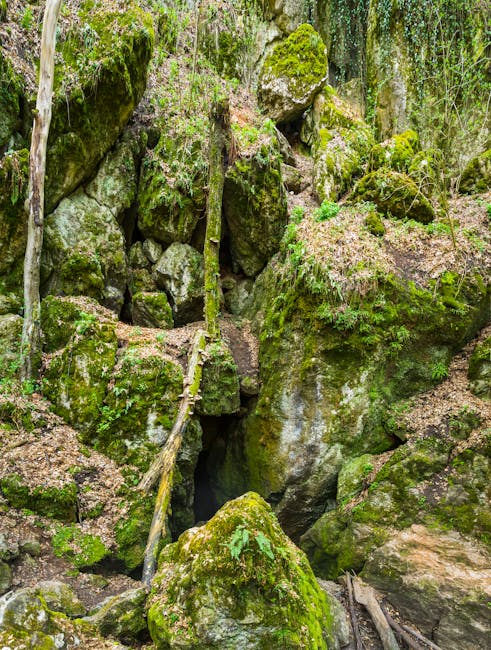
If you are looking for Chislehurst Caves park garden care tips from local gardeners, you are probably after something more useful than a generic gardening checklist. You want advice that makes sense in a real garden, in real weather, with real time limits. Fair enough. The gardens and green spaces around Chislehurst have their own rhythm: clay-heavy soil in places, shaded corners, sudden dry spells, and that familiar London mix of mild winters and surprisingly determined weeds.
This guide pulls together practical, local-minded advice for keeping park-style planting areas, borders, lawns, and shared outdoor spaces in good shape. Whether you manage a small communal garden, help care for a private plot near the caves, or simply want your front garden to look calmer and healthier, you will find advice you can actually use. We will cover what matters, how the work fits together, what to avoid, and how to make decent decisions without turning every weekend into a battle with the secateurs.
In our experience, the best gardens are rarely the most perfect ones. They are the ones that are steadily cared for, with the right timing and a bit of local know-how. That is what this article is here to give you.
- Why it matters
- How it works
- Key benefits and practical advantages
- Who this is for and when it makes sense
- Step-by-step guidance
- Expert tips for better results
- Common mistakes to avoid
- Tools, resources and recommendations
- Law, compliance, standards, or best practice
- Options, methods, or comparison table
- Case study or real-world example
- Practical checklist
- Conclusion
- Frequently asked questions
Why Chislehurst Caves park garden care tips from local gardeners Matters
The short version? Local gardens respond to local conditions. That sounds obvious, but people still lose a lot of time and money treating every garden as if it lives in the same climate, on the same soil, with the same light levels. Chislehurst is not a generic suburb in a vacuum. It has pockets of shade, mature trees, compacted ground near paths, and varied planting conditions that can change from one side of a property to the other.
Park garden care tips from local gardeners matter because they are grounded in what actually works nearby. Someone who has spent years pruning shrubs, restoring borders, or keeping a mixed garden presentable through a damp March and a dry July will notice details that a general guide might miss. For example, a lawn that looks thirsty may not need more water; it may need better aeration because the soil is tight and the roots cannot breathe. Simple, but easy to overlook.
There is also the visual side. Gardens around a landmark like the caves often need to feel neat, welcoming, and well kept without looking overdone. A park-style garden is usually expected to be tidy, balanced, and seasonally alive. Too much fuss and it feels contrived. Too little and it quickly looks tired. The sweet spot is thoughtful maintenance. Not glamorous, but effective.
Practical takeaway: local advice is useful because it reflects the conditions your garden is actually living in, not the ideal version in a catalogue photo.
How Chislehurst Caves park garden care tips from local gardeners Works
Good garden care is not one heroic effort. It is a cycle. You observe, tidy, improve, and repeat. Local gardeners tend to work with the seasons rather than against them. That means doing the right jobs at the right time and not trying to force a summer look in the middle of a cold, wet spring. It is a bit like keeping a house comfortable: if you maintain small things regularly, the big problems rarely get a chance to build up.
For park-style spaces, the work usually falls into a few connected areas:
- Soil care: checking drainage, feeding beds lightly, and improving structure where needed.
- Plant health: pruning, deadheading, dividing, replacing weak plants, and watching for stress.
- Presentation: edging, sweeping, clearing fallen leaves, and keeping routes open and neat.
- Water management: watering deeply but not constantly, especially in dry spells.
- Seasonal planning: choosing what to do now versus what can wait.
Local gardeners often adjust their methods depending on the microclimate. A sunny open bed near a wall will dry out faster than a sheltered border under mature trees. A clay patch near a slope may hold water longer than expected after heavy rain. Chislehurst gardens can be deceptive like that. One minute everything looks lush, the next minute one corner is bone dry and another is soggy. Typical, really.
That is why the best care plans are flexible. They rely on observation first, routine second, and assumption last. The more you notice what changes across the seasons, the better your results tend to be.
Key Benefits and Practical Advantages
Using local-gardener-style care tips for gardens around Chislehurst brings several real advantages. The first is better plant survival. Plants chosen and maintained with local conditions in mind generally settle faster and suffer fewer setbacks. That means fewer replacements, less patchiness, and less wasted effort.
The second is a more attractive outdoor space with less frantic work. There is a quiet satisfaction in a garden that looks cared for even when you have not spent all day on it. A trimmed edge, a healthy shrub line, and a bed that is mulched properly can make the whole space feel sorted. It does not need to scream for attention.
The third benefit is easier long-term maintenance. Once a garden is set up well, each visit becomes simpler. You spend less time rescuing things and more time maintaining them. That is usually the difference between a garden that feels manageable and one that becomes a weekend-eating monster. Let's face it, nobody wants the second version.
Here are the practical advantages people notice most:
- Fewer plant losses after wet winters or dry spells
- Better-looking borders with less constant replanting
- Healthier lawns with fewer bare patches
- Improved curb appeal for shared or visible spaces
- More confidence when deciding what to trim, feed, or leave alone
There is also a quieter benefit: a well-kept garden tends to feel easier to be in. You notice birds, light, texture, and scent more when the space is balanced. A garden that is cared for properly does not just look good. It feels calmer.
Who This Is For and When It Makes Sense
This kind of guidance is useful for a few different groups. If you are a homeowner near Chislehurst Caves with a garden that needs to look tidy year-round, the advice helps you keep on top of it without overdoing the maintenance. If you look after a shared green space, park-like frontage, or communal border, it helps you prioritise tasks and keep standards consistent.
It also makes sense if you are a landlord, property manager, or simply the designated person in the household who gets asked, with suspicious politeness, "Could you just sort the garden?" You know the role. It arrives quietly and then never leaves.
These tips are especially relevant when:
- your soil seems heavy, sticky, or slow to drain
- shrubs are looking leggy, tired, or overgrown
- you want a smart-looking garden without constant replanting
- you need a reliable routine rather than one-off tidy-ups
- you are comparing professional help with doing it yourself
If your outdoor area is mostly ornamental, you will focus more on appearance, structure, and seasonal planting. If it is a family garden, you may care more about durability, low-maintenance plants, and safe clear walkways. Either way, the underlying principle is the same: adapt the care to the space, not the other way round.
Step-by-Step Guidance
Here is a practical way to approach garden care in the Chislehurst area without getting lost in endless to-do lists. Keep it simple and repeatable.
1. Start with a proper walk-through
Take ten minutes and look at the garden as a whole. Where is the shade strongest? Which beds dry out first? Are there areas where leaves gather, paths clog, or water sits after rain? You are not judging yet. Just noticing. That first walk-through often tells you more than a dozen guesses.
2. Remove what is clearly holding things back
Clear dead stems, fallen branches, rotten fruit, and obvious weeds before you do anything else. This gives you a cleaner view of the garden and reduces competition for light and nutrients. It also makes the space feel more manageable straight away, which helps more than people admit.
3. Check soil condition
Loose, crumbly soil is easier for roots to work through. Dense, compacted soil can stop water moving properly. If a border feels hard and lifeless, it may need organic matter worked in gradually over time. Do not dig aggressively just because it feels productive. Heavy digging can do more harm than good in the wrong place.
4. Match plants to the site
If a plant is constantly struggling, ask whether it belongs there. Is it getting too much shade? Too much sun? Too much moisture? Sometimes the right answer is not more fertiliser or more water. Sometimes the right answer is to move the plant or replace it with something better suited.
5. Prune with purpose
Pruning should improve shape, airflow, and flowering, not just make things shorter. Cut out dead, damaged, or crossing stems first. Then step back and check the form. A lot of pruning mistakes happen because people keep cutting until it looks "done". That is how you end up with a shrub that looks as if it has lost confidence.
6. Feed lightly and sensibly
Overfeeding can produce soft, weak growth. A modest, well-timed feed is usually better than throwing fertiliser at a plant and hoping for the best. For mixed gardens, compost or well-rotted organic matter is often the easiest way to improve overall health without fuss.
7. Water deeply, not constantly
Frequent shallow watering encourages roots to stay near the surface. Deep watering encourages stronger root systems. In warmer stretches, especially after a dry morning, it is better to water thoroughly less often than to keep sprinkling the surface. Plants are tougher than people sometimes assume.
8. Finish with a tidy pass
Edging, sweeping, and resetting pots or borders makes an enormous difference. The garden may only have changed a little, but it will look much more intentional. That tidy pass is the bit people notice from the path, the driveway, or the kitchen window.
Expert Tips for Better Results
Local gardeners often rely on small judgement calls that make a big difference over time. These are the kind of things you only really learn by watching gardens through several seasons, or by making a few harmless mistakes first. We have all done that. Some of us more than once.
1. Work with the weather, not against it. If the soil is waterlogged, do not walk all over it or dig it to bits. Wait until it is workable. If a dry spell has stressed plants, mulch first and water properly rather than overfeeding.
2. Mulch in the right places. A mulch layer helps retain moisture, suppress weeds, and improve soil life. Keep it off the stems and trunks. A bit of breathing room matters.
3. Watch for repeated patterns. If one bed always struggles, there is usually a reason: drainage, root competition, shade, or exposure. Fixing the pattern is more useful than repeatedly replacing plants.
4. Use the right tool for the job. A clean cut from sharp secateurs is healthier than a ripped stem from blunt tools. Sounds minor. It is not.
5. Think in layers. Groundcover, shrubs, and vertical structure all help a garden feel complete. A flat, one-layer garden often looks bare even if the plants are healthy.
6. Leave a little space for growth. Overcrowding is one of the quiet causes of poor airflow and disease. New plants need room to settle, and mature plants need room to show their shape.
7. Do small jobs often. Ten-minute visits can be more effective than one huge clean-up every few months. A little and often really does work here.
One useful habit is to look at the garden from indoors before and after maintenance. If it still looks cluttered from the window, it probably still needs work. If it looks balanced from inside, outside is often good too. Oddly satisfying, that.
Common Mistakes to Avoid
Some garden problems are caused less by the weather and more by well-meaning overenthusiasm. Truth be told, that is a common pattern. Here are the big ones to avoid.
- Overwatering: especially in cooler months or on slower-draining soil.
- Cutting too much at once: sudden heavy pruning can shock shrubs and spoil their shape.
- Ignoring soil health: healthy plants start below the surface.
- Choosing plants for looks alone: a pretty plant that hates the site becomes a problem quickly.
- Leaving weeds until they seed: that turns a small job into a much bigger one.
- Using the same routine all year: spring, summer, autumn, and winter each need different priorities.
Another common issue is trying to make a garden look "finished" all the time. Gardens are living spaces, not showrooms. Some seasonal variation is normal, even desirable. A bit of messy growth in the right places can support pollinators, improve structure, and make the space feel more natural. The trick is keeping it intentional rather than neglected.
Also, do not assume that a plant that looks tired is dead. Sometimes it is stressed, rootbound, or simply in the wrong spot. Give it a proper check before you replace it. Saves money. Saves effort. Saves that annoying feeling of having bought the same plant twice.
Tools, Resources and Recommendations
You do not need a shed full of specialist equipment to maintain a garden well. A few reliable tools, used properly, go a long way. Local gardeners usually keep things practical rather than fancy.
| Tool or resource | Best use | Why it helps |
|---|---|---|
| Sharp secateurs | Pruning small stems and deadheading | Gives clean cuts and reduces damage to plants |
| Spade or border fork | Soil improvement and planting | Helps work compost in without overcompacting soil |
| Long-handled rake | Leaf clearing and surface tidying | Makes regular clean-up faster and easier on the back |
| Watering can or hose with control | Targeted watering | Helps avoid waste and water the roots properly |
| Garden gloves and sturdy footwear | General maintenance | Basic protection for wet, muddy, or thorny work |
If you are looking for broader home and outdoor improvement support, it can also help to read up on related services and planning advice. For example, if your project goes beyond routine care and into layout or larger-scale property work, a nearby specialist page such as home and garden improvement in Chislehurst may be useful as a starting point. Likewise, if you are comparing ongoing maintenance with one-off seasonal help, information on garden maintenance in Chislehurst can help frame the decision.
If your issue is a specific plant bed that needs a more defined reset, a service page about flower bed planting in Chislehurst can be helpful for understanding what a more structured approach might involve. Not every garden needs that level of intervention, of course. But when a space has become patchy or difficult to manage, it is worth knowing what the options are.
A sensible extra tip: keep a small notebook or phone note with dates of pruning, feeding, and problem areas. It sounds a bit over the top until you use it for one season and suddenly everything makes sense. Then it feels obvious.
Law, Compliance, Standards, or Best Practice
For most domestic garden care, you are mainly dealing with best practice rather than strict legal processes. Still, there are sensible expectations to keep in mind, especially in a local area where properties can sit close together and gardens may border shared spaces.
If you are maintaining a shared garden, frontage, or communal outdoor area, it is wise to keep walkways clear, avoid creating hazards, and manage waste responsibly. Overhanging branches, trip risks, and blocked access can become practical issues quickly. It is better to deal with them early than let them drift.
For larger or more formal sites, good practice usually includes regular inspection, safe tool use, and appropriate care for wildlife and nesting periods. If you are unsure whether a job is suitable to do now or should wait, a cautious approach is usually the better one. That is especially true with major pruning or hedge work.
Waste from garden clearance should be handled in line with local expectations and normal environmental good practice. Avoid dumping green waste where it should not go. Keep work tidy, and if in doubt about a bigger job, ask a qualified local gardener to assess it. Sometimes the right answer is simply, "let's slow down and look properly first."
One more sensible point: if a garden contains mature trees, old masonry, or uneven ground, treat those areas carefully. They often hide root movement, drainage issues, or trip hazards that are easy to miss when you are focused on the planting.
Options, Methods, or Comparison Table
Different gardens need different levels of care. Some spaces benefit from regular light maintenance, while others need a more structured seasonal reset. Here is a simple comparison to help you think it through.
| Approach | Best for | Pros | Watch-outs |
|---|---|---|---|
| Light routine care | Small gardens, tidy borders, low-maintenance spaces | Cheap, manageable, keeps the garden neat | Can miss deeper issues if never reviewed |
| Seasonal maintenance | Mixed gardens, shrubs, lawns, and beds that change through the year | Balances tidiness with plant health | Needs planning and timing |
| Full garden refresh | Overgrown or tired spaces | Can transform the garden and reset structure | Takes more time, effort, and budget |
| Professional ongoing care | Shared spaces, larger plots, busy households, visible front gardens | Reliable, consistent, less stress | Needs a good brief and clear expectations |
For many people, the best answer is a mix. A steady monthly or seasonal routine covers the basics, while a deeper refresh happens once or twice a year. That balance usually works well for London gardens with a blend of shade, exposure, and occasional weather drama.
Case Study or Real-World Example
A typical local scenario goes like this. A small front garden near the Chislehurst area had begun to look patchy: one shrub was flopping over the path, the soil stayed wet after rain, and the lawn had become thin at the edges. Nothing catastrophic. Just one of those spaces that quietly starts looking tired.
The first step was not to rip everything out. It was to observe. The shady side held moisture longer than the sunny side. A couple of plants had clearly outgrown their spot. The path edge was losing definition because the border had crept forward over time. A simple tidy-up, some careful pruning, and a little soil improvement made the biggest difference.
After that, the routine changed. The owner stopped watering lightly every few days and started watering more deeply but less often. Mulch was added around the shrubs, not piled against the stems. The lawn edge was redefined. Within a few weeks, the garden looked calmer and easier to maintain. Not perfect. Better. Much better.
The useful lesson was not that the garden needed more effort. It needed the right effort in the right places.
That is often the point local gardeners make in practice. They are not trying to create a flawless display. They are trying to create a garden that holds together well through the seasons and does not demand constant rescue.
Practical Checklist
Use this checklist before and after each maintenance session. It keeps the work focused and stops the obvious jobs from slipping through the cracks.
- Inspect the garden from a few angles, including from indoors if relevant
- Remove dead material, litter, and obvious weeds
- Check whether any plants are overcrowded, damaged, or badly placed
- Look for signs of compacted, dry, or waterlogged soil
- Prune only what needs pruning, and keep cuts clean
- Water deeply where needed, especially in dry weather
- Add mulch or compost where soil improvement would help
- Trim edges and clear paths for a neat finish
- Note any repeating problem areas for next time
- Dispose of green waste responsibly
Quick summary: if you remember nothing else, start with observation, make small improvements, and keep the routine consistent. That alone will solve a surprising amount.
Get a free quote today and see how much you can save.
Conclusion
Chislehurst Caves park garden care tips from local gardeners are valuable because they are practical, local, and grounded in real conditions. They help you care for a garden in a way that suits the soil, the shade, the season, and the everyday reality of keeping things tidy without turning garden work into a second job.
If you focus on the basics-healthy soil, sensible watering, careful pruning, regular tidying, and a bit of seasonal planning-you will usually get better results than by chasing quick fixes. Gardens respond well to consistency. They really do. And once you understand how your own space behaves, decisions become easier, not harder.
Whether you are maintaining a small front border, a shared green space, or a larger garden that has started to drift, local knowledge can make the work feel far more manageable. The aim is not perfection. It is a garden that feels cared for, season after season, with less stress and more confidence.
And that, to be fair, is a pretty good place to end up.
Frequently Asked Questions
What makes local gardener advice better for Chislehurst gardens?
Local gardeners understand the conditions you are likely to face: shaded plots, mixed soil quality, wet winters, and dry spells in summer. That makes their advice more practical than generic tips copied from somewhere else.
How often should a park-style garden be maintained?
It depends on the space, but most gardens benefit from small regular visits and a more thorough seasonal review. Light upkeep often works better than leaving everything to build up for a single big job.
What is the biggest mistake people make with garden care?
Overwatering and overpruning are two of the most common mistakes. People often think more intervention equals better results, but many gardens do better with steadier, lighter care.
Do I need a professional gardener for this kind of work?
Not always. Smaller gardens and straightforward maintenance can often be handled by the homeowner. A professional becomes more useful when the space is overgrown, shared, physically awkward, or needs proper seasonal planning.
What should I do if the soil in my garden stays wet for too long?
Start by checking whether the area is compacted or shaded. Improving soil structure with organic matter and avoiding unnecessary foot traffic can help. If the problem is persistent, it may need more detailed assessment.
How can I keep a garden looking tidy with limited time?
Focus on the visible basics first: edges, weeds, dead growth, and path clearance. A ten-minute tidy-up can make a noticeable difference. Small and consistent beats occasional chaos, frankly.
Are there certain plants that suit Chislehurst-style conditions better?
Plants that cope well with partial shade, varied moisture, and seasonal change often perform better. The exact choice depends on your site, but matching the plant to the space matters more than chasing fashionable varieties.
When is the best time to prune shrubs?
That depends on the type of shrub and when it flowers. A general rule is to prune with the plant's growth cycle in mind, not just whenever it looks untidy. If unsure, check the species before cutting.
Can mulching really make that much difference?
Yes, it often can. Mulch helps retain moisture, suppress weeds, and improve soil over time. Used properly, it is one of the simplest ways to make maintenance easier.
How do I decide between a light tidy-up and a full garden refresh?
If the garden is basically healthy but untidy, light maintenance may be enough. If there are major issues like overgrowth, poor structure, or failing plants across the space, a refresh may be the more sensible route.
What should I ask a local gardener before hiring them?
Ask how they approach seasonal maintenance, what they would prioritise first, and whether they have experience with similar gardens. Clear communication helps you avoid mismatched expectations later on.
Is it worth keeping notes about garden care?
Absolutely. A simple note of what was pruned, fed, planted, or fixed makes it much easier to spot patterns and plan the next visit. It is a small habit that pays off quickly.